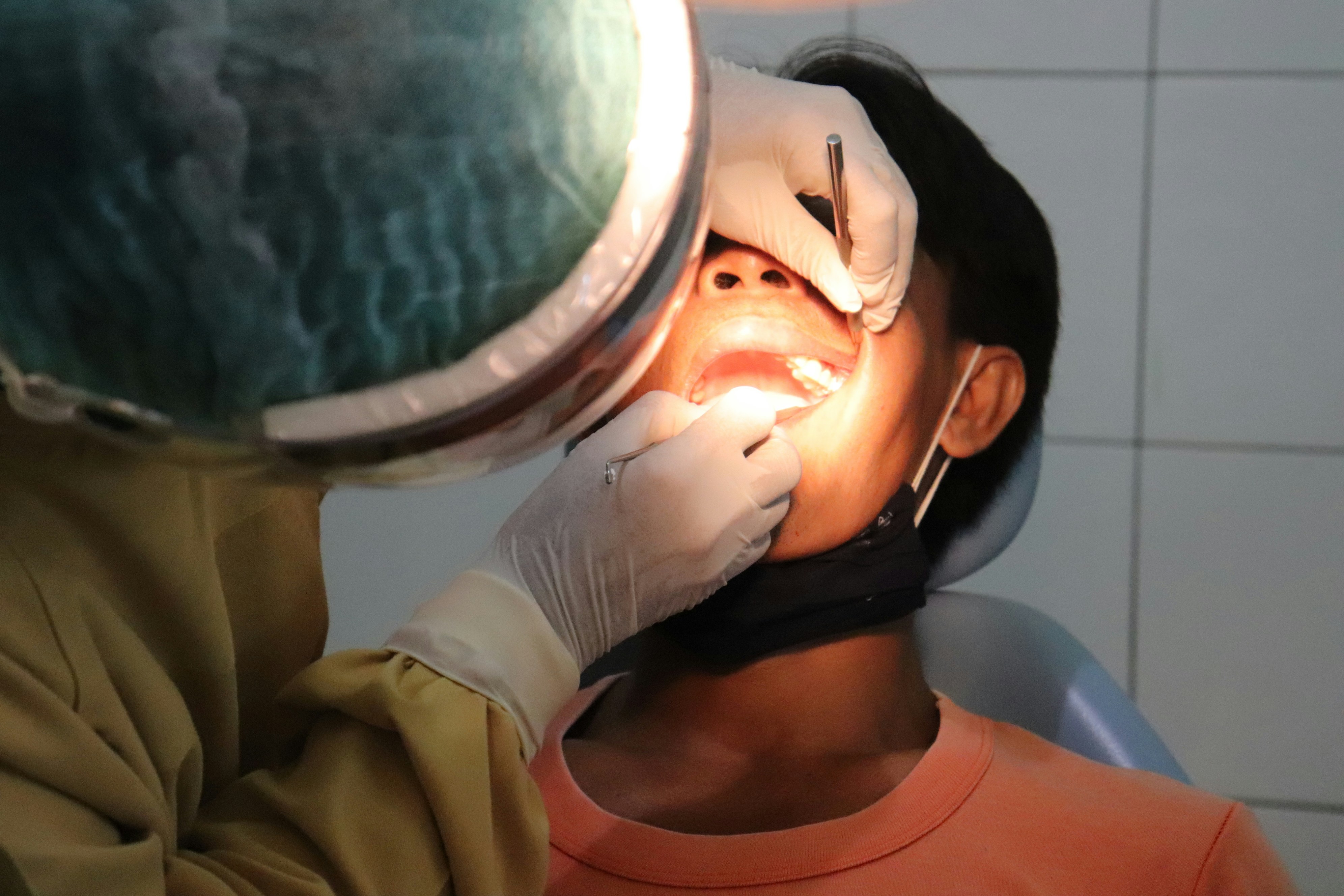
As you age, your teeth and gums face new threats. Small problems can grow fast and quiet. Routine preventive care from a general dentist protects you from pain, infection, and costly treatment. A Monterey Park dentist can spot early damage, clean away stubborn buildup, and guide you on simple daily steps. These services do more than keep your smile steady. They help you eat, speak, and stay social with less worry. Many seniors ignore warning signs until chewing hurts or teeth loosen. That delay often leads to extra visits and higher bills. You deserve care that keeps you strong, not just care that reacts when something breaks. This blog explains three key preventive services that general dentists provide to seniors. You will see what each service does, what to expect during a visit, and how often you need it.
Why preventive dental care matters for seniors
Age changes your mouth. Gums pull back. Old fillings crack. Many medicines dry your mouth. These changes raise your risk for tooth decay and gum disease. Both can spread and affect your heart and overall health.
The Centers for Disease Control and Prevention explains that untreated cavities and gum disease are common in older adults and can affect daily life and nutrition.
Regular preventive visits let a general dentist catch small changes early. You gain control. You avoid emergency visits and long recoveries. You also keep your bite strong so you can eat solid food and stay independent.
1. Regular exams and oral cancer screenings
Every preventive visit starts with an exam. Your dentist checks your teeth, gums, tongue, cheeks, and jaw. You may also need dental X-rays. These help your dentist see decay between teeth, bone loss, and infection under old crowns or bridges.
General dentists also screen for oral cancer during these exams. They look for spots, lumps, or color changes. The National Institute of Dental and Craniofacial Research notes that early detection of oral cancer can improve treatment results.
During an exam visit, you can expect three basic steps.
- Review of your health history and medicines
- Visual exam of your mouth, head, and neck
- Oral cancer screening and X-rays when needed
Your dentist will talk with you about any changes you notice. That includes pain, sores, dry mouth, or trouble chewing. Honest talk helps your dentist plan simple steps before problems grow.
2. Professional cleanings to control gum disease
Cleanings remove plaque and tartar that daily brushing and flossing miss. This buildup collects near the gumline. It feeds bacteria that cause gum disease. Seniors face a higher risk because of recession, limited hand strength, and long-term wear on teeth.
During a cleaning, a dental hygienist uses small hand tools and a polisher to remove buildup. You may feel pressure but not sharp pain. If your gums bleed or feel sore, that is a sign of inflammation, not a reason to skip care. Regular cleanings calm this response and help gums heal.
Your dentist may also check your gum pockets. Deep pockets can signal periodontitis, a serious form of gum disease. In that case, you may need deeper cleaning in stages. That treatment can protect teeth from loosening and loss.
3. Fluoride, sealants, and custom protection
Many people think fluoride is only for children. That belief puts seniors at risk. Root surfaces and old fillings decay fast. Fluoride treatments harden these spots and slow breakdown. Your dentist may paint fluoride varnish on your teeth or use a tray that holds a gel.
Sealants can also help. These thin coatings cover deep grooves in back teeth where food sticks. Some seniors keep their molars for life. Sealants lower the risk of new cavities in these teeth.
Your dentist may add other simple tools.
- Night guards to reduce wear from clenching
- Custom trays for fluoride at home
- Moisturizing products for dry mouth
Each measure adds a layer of protection. Together, they support the work you do at home.
How often should seniors see a general dentist
Most seniors need a checkup and cleaning every six months. Some need visits every three to four months. Your schedule depends on your health, medicines, history of decay, and gum status.
The table below gives a simple comparison.
| Risk level | Examples | Suggested visit frequency
|
|---|---|---|
| Lower risk | Few or no past cavities. No gum disease. No dry mouth. | Every 6 to 12 months for exam and cleaning |
| Moderate risk | History of fillings or crowns. Mild gum problems. Some medicines. | Every 4 to 6 months for exam and cleaning. Fluoride as advised. |
| Higher risk | Dry mouth. Diabetes. Smoking. Past gum surgery or many cavities. | Every 3 to 4 months for exam and cleaning. Extra fluoride and checks. |
Simple steps to prepare for your visit
You can get more from each appointment with a little planning.
- Bring a current list of all medicines and supplements
- Write down changes in your health since your last visit
- Note any pain, sores, or trouble with chewing or speaking
- Bring dentures, partials, and night guards so your dentist can check the fit
Tell your dentist if you feel nervous or have trouble sitting for long. The team can adjust the visit. Shorter visits or more breaks reduce stress and help you stay on track.
Take the next step toward steadier oral health
Preventive dental care gives you more than clean teeth. It protects your ability to eat, talk, and share time with people you love. Regular exams, cleanings, and fluoride or sealants work together. They help you avoid the shock of sudden pain or tooth loss.
You have the power to act early. Call a general dentist and set up your next checkup. Bring your questions. Ask about your personal risk and the best schedule for you. Each visit is a chance to protect your health and keep your smile steady as you age.
Leave a Reply