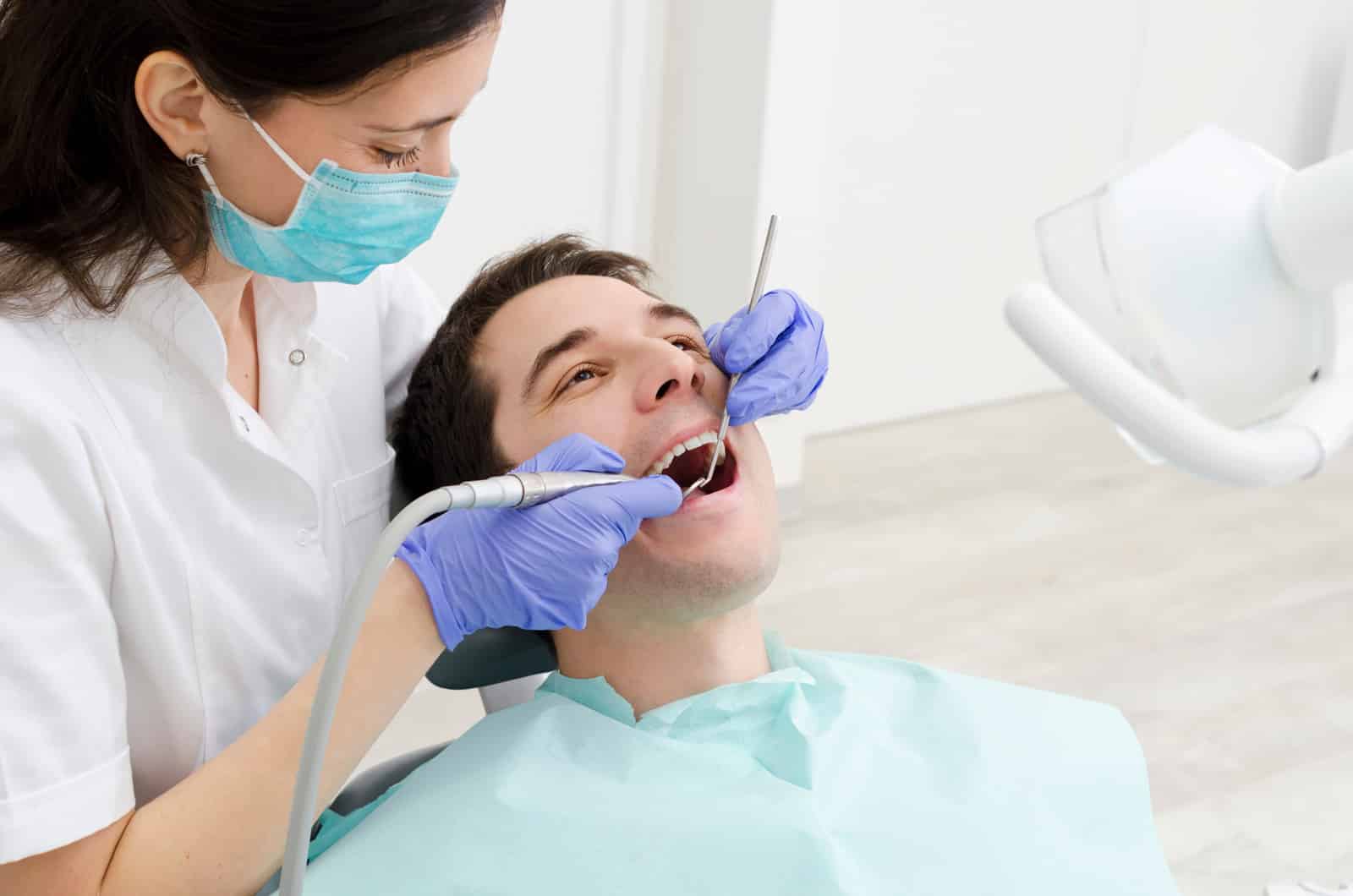
Braces and aligners cost time, money, and energy. You do not want that effort to fade once treatment ends. General dentistry protects that work. It keeps your teeth strong, clean, and steady in their new places. Regular checkups catch small problems before they damage your bite. Cleanings remove buildup that can stain teeth and weaken enamel around past bracket spots. Careful exams watch for grinding, gum disease, and tiny cracks that can shift teeth again. A trusted dentist in Fort Worth, TX can also adjust retainers, repair chips, and guide you on daily care that holds results. Routine care is more effective after treatment. Strong teeth and healthy gums support every bracket, wire, and aligner you once wore. This blog explains how simple visits, cleanings, and home habits protect your orthodontic investment and keep your smile steady for years.
Why Straight Teeth Still Need Ongoing Care
Orthodontic care moves teeth into better positions. General dentistry keeps them there. Teeth always try to shift. Gums change with age. Daily habits wear on enamel.
Without steady care, you face three common problems.
- Teeth drift out of place.
- Gums pull back or swell.
- Enamel breaks down and cracks.
Each problem can undo years of treatment. Regular visits help you control these changes instead of reacting to them during a crisis.
The General Dentist’s Role After Braces Or Aligners
After active treatment ends, your general dentist becomes your main partner. You see this office more often than any other oral health provider. That steady contact protects your results.
General dentistry supports your orthodontic work in three main ways.
- Prevention
- Early detection
- Repair
At each visit, your dentist and hygienist can:
- Check how your teeth fit together when you bite.
- Look for tight spots that trap food near old bracket sites.
- Measure gum health around the teeth that moved the most.
- Review how often and how well you wear retainers.
- Adjust or smooth small chips before they grow.
These steps keep your bite steady and your smile stable.
Key Routine Services That Protect Your Investment
Simple services carry strong protective power when you use them on a steady schedule.
- Professional cleanings. These visits remove hardened buildup that brushes miss. They lower your risk of gum disease and decay that can change tooth position.
- Fluoride treatments. Fluoride can rebuild weak spots in enamel. This matters near places where brackets or attachments once sat.
- X rays. Periodic images show roots, bone levels, and hidden decay. They reveal early shifts or infections that could move teeth.
- Bite checks. The dentist watches for early crowding, gaps, or changes in jaw position.
- Sealants for younger patients. Thin coatings on chewing surfaces lower the chance of cavities that might need fillings and later reshape the bite.
Retention: The Bridge Between Orthodontics And General Dentistry
Retainers are the link between straightening and long-term stability. General dentistry supports this stage in three ways.
- Check for fit. The dentist tests if retainers sit snug and even.
- Clean devices. The team shows you how to keep retainers clear of buildup and odor.
- Repair or replace. If plastic cracks or wires bend, quick repair prevents movement.
Retainers work only when you wear them as directed. General dentistry staff can help you build simple routines that fit your life and your family schedule.
Common Risks After Orthodontic Treatment
Some risks rise once brackets and aligners come off. General dentistry helps you manage each one.
- Relapse. Teeth shift slowly back toward old positions. Tight retainers, new gaps, or jaw aches can signal early change.
- Grinding and clenching. A new bite can trigger night grinding. That pressure chips edges and shortens teeth.
- Gum changes. Swollen or receding gums can expose roots and loosen support.
- New decay. Smooth teeth may feel “done,” so home care slips. Small cavities grow near former bracket spots.
During each visit, your dentist looks for these signs. Early steps are easier and less costly than late repairs.
How Often Should You See Your General Dentist
Most people need a visit every six months. Some need more frequent care. Your schedule depends on three things.
- Your cavity risk.
- Your gum health.
- Your history of orthodontic relapse.
Here is a simple guide.
| Risk level | Common signs | Suggested visit frequency
|
|---|---|---|
| Lower | No recent cavities. Healthy gums. Good retainer use. | Every 6 months |
| Moderate | Past gum issues or a few fillings. Some missed retainer nights. | Every 3 to 4 months |
| Higher | Ongoing gum disease, frequent cavities, or past relapse. | Every 2 to 3 months |
The schedule may change as your health improves. Regular reviews help your dentist adjust timing as needed.
Daily Habits That Work With General Dentistry
Office visits and home care support each other. You need both. Simple daily steps protect what orthodontic care started.
- Brush twice a day with fluoride toothpaste.
- Clean between teeth once a day with floss or another tool that fits your hands.
- Rinse with water after meals if brushing is not possible.
- Wear retainers as directed and store them in a hard case.
- Limit sweet drinks and sticky snacks between meals.
- Use a mouthguard for sports or if you grind at night.
You can find more guidance for families at the National Institute of Dental and Craniofacial Research prevention page. This source gives clear steps to lower decay and gum disease at home.
Protecting Your Orthodontic Investment For Life
Orthodontic care is a major commitment. General dentistry keeps that commitment from fading. Regular visits, strong home care, and steady retainer use work together. You reduce pain, lower costs, and keep your bite stable.
When you treat general dentistry as part of your orthodontic plan, you do more than keep straight teeth. You keep a strong mouth that supports clear speech, comfortable chewing, and steady confidence through every stage of life.