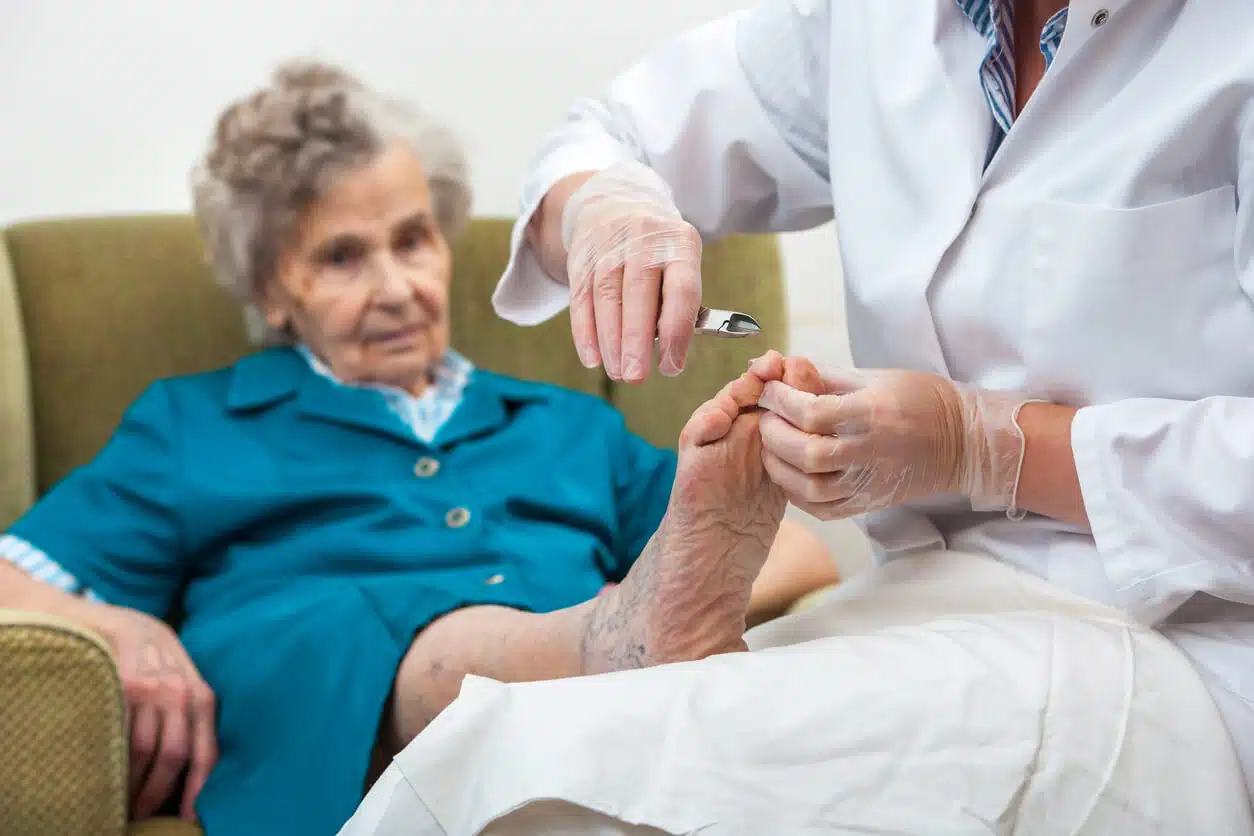
Staying mobile is one of the greatest gifts seniors can give themselves during the golden years, yet foot problems often creep in just when recreation time finally opens up. Within any vibrant senior living community, hammertoes rank high on the list of complaints because the condition bends toes downward, rubs skin raw inside shoes, and forces activity levels to drop. Thankfully, understanding the issue early and acting decisively can help seniors keep every step pain-free.
Understanding Hammertoes and Why Seniors Are at Risk
Hammertoes develop when the muscles and ligaments that keep toes straight weaken, allowing the middle toe joints to curl downward. Age-related changes in foot structure, years of wearing tight or high-arched footwear, and common conditions such as arthritis or diabetes combine to place seniors at greater risk than younger adults.
Once toes bend, friction against shoe tops promotes painful corns and calluses, while inflammation around the joint reduces flexibility. If neglected, the deformity can become rigid, making it nearly impossible for seniors to slip on comfortable footwear or enjoy daily walks that keep hearts and minds healthy.
Early Warning Signs Seniors Shouldn’t Ignore
Recognizing subtle changes before toes lock into place is the smartest defense. Seniors may first notice mild soreness or redness on the tops of second, third, or fourth toes after routine errands. Shoes that once felt roomy may suddenly pinch by day’s end, and socks might catch on rough skin patches forming over bony joints.
A toe that appears slightly raised compared with its neighbors or one that won’t fully straighten on its own signals that tendons have already tightened. When these hints appear, prompt attention from a podiatrist can spare seniors months of escalating discomfort.
Practical Steps for Seniors to Stay Active
Several low-tech strategies can ease strain on tender toes and keep seniors moving. Roomy, supportive shoes featuring wide toe boxes allow natural toe spread and reduce pressure; models with adjustable straps accommodate mild swelling common in later life. Regular foot-strengthening exercises—such as gently stretching toes by hand or picking up marbles with the feet—maintain muscle balance and joint alignment.
Orthotic inserts or silicone toe spacers add cushioning, preventing corns from forming. Seniors who rotate between walking, swimming, and stationary biking also lower repetitive stress on their feet, enjoying full-body fitness without aggravating emerging hammertoes.
Treatment Options That Keep Seniors on Their Feet
When conservative measures fail to relieve pain, several effective medical interventions remain. A podiatrist may recommend custom orthotics that redistribute weight away from curled joints or prescribe anti-inflammatory medication to calm swelling. Corticosteroid injections offer targeted relief for seniors unable to tolerate oral drugs.
For more advanced cases, minimally invasive procedures can release tight tendons or realign bones, often completed under local anesthesia with brief recovery times. Post-surgical physical therapy emphasizes gentle stretches and proper footwear, enabling seniors to return swiftly to gardening, visiting grandchildren, and enjoying the social activities that make retirement fulfilling.
Conclusion
Hammertoes need not dictate the tempo of retirement. By spotting early signs, adopting foot-friendly habits, and seeking timely medical care, seniors preserve the freedom to stroll markets, dance at family gatherings, and explore new hobbies without hesitation. A proactive mindset today ensures that tomorrow’s steps remain confident, comfortable, and entirely under the control of resilient seniors who refuse to let a bent toe curtail life’s adventures.
Leave a Reply