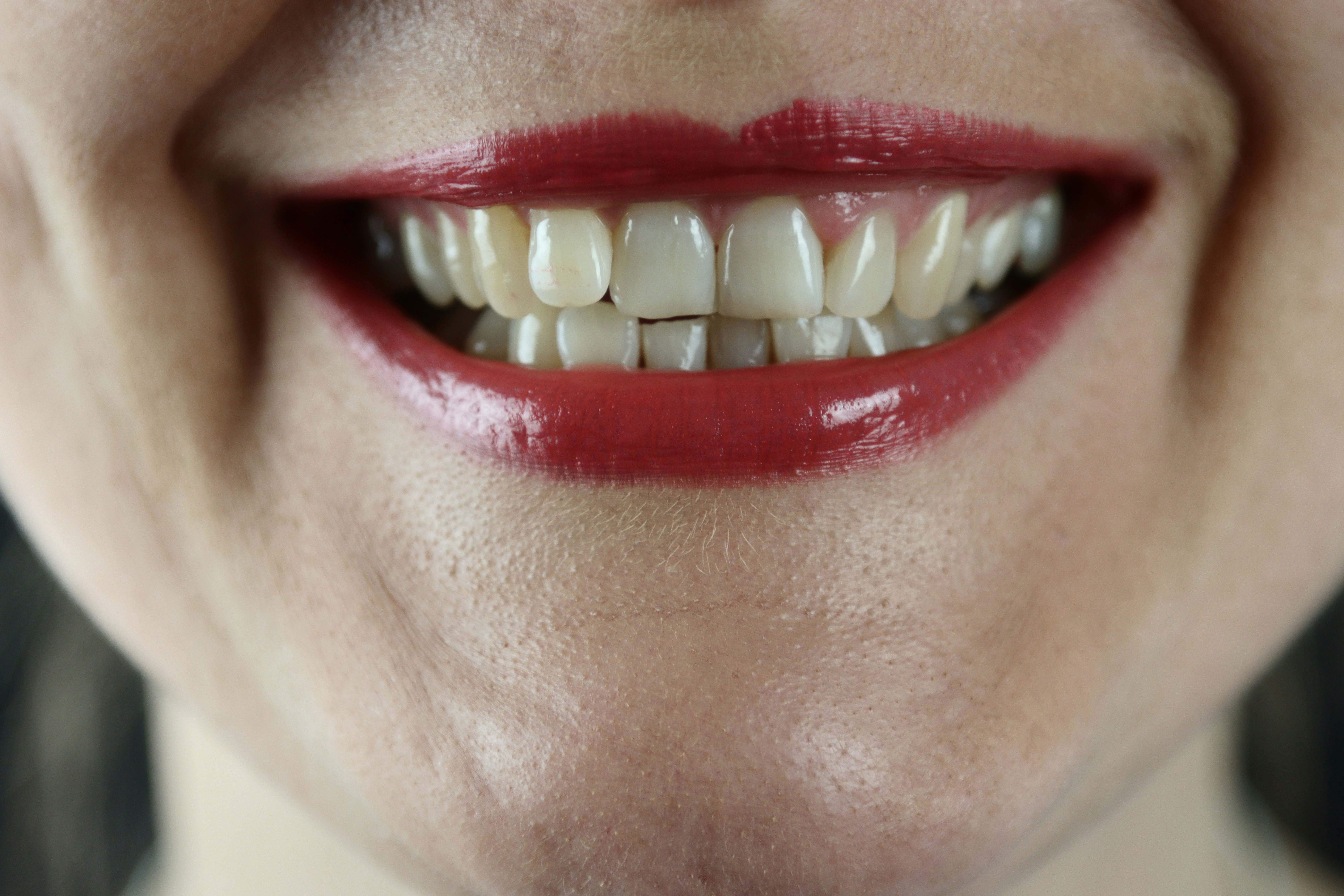
You might think cosmetic dentistry only changes how your teeth look. It does much more. It changes how you speak, eat, and move through each day. A chipped tooth, a dark stain, or a gap can wear you down. You may hide your mouth. You may avoid photos. You may stay quiet in meetings. These small choices grow into heavy shame and stress. Cosmetic care can stop that cycle. It can repair damage, protect weak teeth, and support your bite. It can also ease tension in your jaw and neck. For many people, treatments like dental crowns in Dacula, Georgia are not about vanity. They are about comfort, safety, and respect for yourself. This blog explains how cosmetic dentistry supports your health, your confidence, and your daily life.
How Your Smile Affects Daily Life
Your mouth never rests. You use it to eat, drink, speak, and show emotion. When your teeth feel weak or look uneven, simple tasks can feel hard.
Cosmetic dentistry can help you:
- Chew food with less worry about pain or breaking a tooth
- Speak more clearly without gaps or sharp edges
- Smile in photos, at work, and at home without fear
Research from the Centers for Disease Control and Prevention links poor oral health with missed workdays and low quality of life. A strong, steady smile supports your body and your mind.
Health Benefits Beyond Appearance
Cosmetic treatments often fix deeper problems. You may seek whiter or straighter teeth. You also gain cleaner, stronger teeth that are easier to care for.
Cosmetic dentistry can support your health in three main ways.
- Protecting weak teeth. Crowns, bonding, and veneers cover cracks and worn enamel. They shield the tooth from pressure and decay.
- Improving your bite. Aligners and reshaping can balance how your teeth meet. This can ease strain on your jaw and reduce headaches.
- Supporting gum health. Even tooth edges and smoother surfaces are easier to brush and floss. This reduces plaque and lowers your risk for gum disease.
The National Institute of Dental and Craniofacial Research explains that untreated gum disease can raise your risk for heart and lung problems. Cleaner teeth and a steady bite help you keep your gums healthy for a longer time.
Emotional and Social Impact
Teeth shape how you see yourself. They also shape how others see you. When you do not trust your smile, you may:
- Cover your mouth when you laugh
- Avoid eating in public
- Skip gatherings or job interviews
Cosmetic dentistry does not just change teeth. It changes choices. When you feel at ease with your smile, you meet new people. You speak up in class or at work. You show joy in family photos. This shift can lower stress and support mental health.
Common Cosmetic Treatments and What They Do
Many treatments serve both beauty and function. They aim to improve how teeth look while also making them stronger and easier to use.
Cosmetic Treatments and Everyday Benefits
| Treatment | Main Purpose | Key Health Benefit |
|---|---|---|
| Teeth whitening | Lighten stains and discoloration | Encourages better daily brushing and fewer staining habits |
| Dental bonding | Fix chips and small gaps | Protects exposed surfaces and reduces sensitivity |
| Veneers | Cover front teeth for a uniform look | Shields worn enamel and smooths rough edges |
| Crowns | Restore shape and strength of damaged teeth | Improves chewing and prevents further breakage |
| Aligners or braces | Straighten crooked teeth | Makes cleaning easier and balances your bite |
Cosmetic Dentistry for Every Age
Many people think cosmetic care is only for young adults. That belief is wrong. People of all ages can gain from a healthier smile.
- Children and teens. Fixing chips or alignment early can protect teeth from more wear and support clear speech.
- Adults. Whitening, bonding, or crowns can repair stains, cracks, and old fillings that cause pain or shame.
- Older adults. Restoring worn teeth and replacing missing ones can improve chewing. This can support better nutrition and comfort.
Each life stage brings new needs. Cosmetic dentistry can adapt to those needs with careful planning.
How to Decide What You Need
You do not need to know every treatment name. You only need to know your goals. Think about three questions.
- Do you want to chew with less pain
- Do you want to speak and smile without hiding your mouth
- Do you want a cleaning routine that feels simple and steady
Bring your answers to your dentist. Ask for plain language. Ask how each choice can affect comfort, cost, and time. Ask how long the results may last and what care you must keep up at home.
Daily Habits That Protect Cosmetic Work
Cosmetic dentistry is not a quick fix. It works best when you support it with steady habits. Focus on three steps.
- Clean. Brush twice a day with fluoride toothpaste. Floss once a day. Rinse with water after sweet drinks.
- Protect. Use a mouthguard for sports. Wear a nightguard if you grind your teeth.
- Check. Visit your dentist for regular exams and cleanings. Small repairs cost less than big ones.
Seeing Cosmetic Dentistry as Health Care
Cosmetic dentistry is not a luxury for most people. It is care that supports how you eat, speak, and connect with others. It can ease pain, reduce strain, and lift heavy shame. When you see it as part of your health, you can make calm, clear choices for yourself and your family.