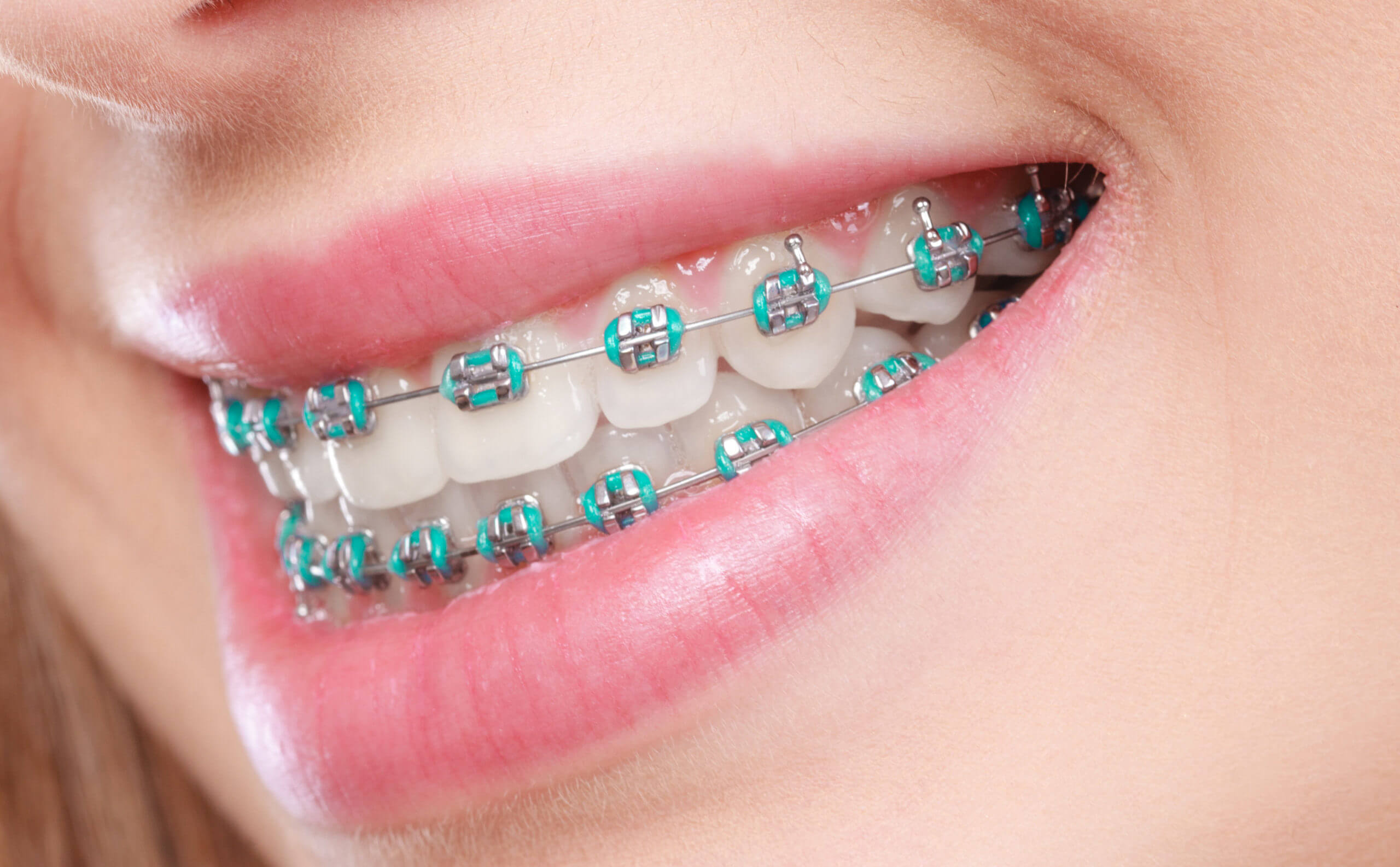
Braces can stir up shame, frustration, and anger in a teen. You see the tight lips in photos and the sudden silence at the dinner table. You want to help, yet you may feel unsure about what to say or do at home. This guide gives you clear steps to support your teen through each stage of treatment. You learn how simple daily habits, honest talks, and patient listening can build real confidence. You also see how to work with your orthodontic team and when to ask for extra help. Parents near Atascocita, TX cosmetic dentistry already know that straight teeth are only part of the story. True change happens in the small moments at home. Here you find direct advice that respects your teen’s feelings and your time. You can steady this journey and help your teen stand taller.
Start With Honest Talk About Braces
Teens notice every change in their faces. Braces can feel like a spotlight on every fear. You can lower that fear with clear and simple talk.
- Ask what scares your teen most about braces.
- Listen without fixing or judging.
- Share what the orthodontist said in plain words.
You might say, “Your mouth may feel sore for a few days. We will plan soft food and extra time to rest.” This kind of talk gives your teen a sense of control. It shows that you see both the pain and the goal.
Set Up A Home Routine That Reduces Stress
Braces need steady care. A simple routine can protect your teen’s teeth and reduce conflict at home.
Daily Braces Care At Home
| Time | Task | Parent Support
|
|---|---|---|
| Morning | Brush and check for loose wires | Keep soft toothbrush and fluoride paste ready |
| After meals | Rinse and use floss tools if possible | Pack a small kit for school or practice |
| Evening | Brush, floss, and use any prescribed rinse | Do a quick look with your teen if they agree |
The Centers for Disease Control and Prevention explains how brushing with fluoride and cleaning between teeth protect against decay. This gives your teen facts, not just rules.
Manage Pain And Discomfort With Care
Pain can crush confidence. It can also lead to skipped brushing or skipped meals. You can plan ahead so pain feels less scary.
Use three steps.
- Plan soft meals for the first days after braces or adjustments.
- Keep orthodontic wax, salt for warm rinses, and any approved pain medicine on hand.
- Watch for sores or broken parts and call the orthodontist when needed.
Tell your teen that pain usually peaks in the first days, then eases. Naming this pattern helps your teen see that the worst part will pass.
Protect Self-Respect At School And Online
School can feel harsh with braces. Peers may joke or stare. Social media can cut even more.
Work with your teen on three fronts.
- Practice short replies to rude comments, such as “Yeah, I have braces. They come off.”
- Talk about photos. Ask if your teen wants to smile with lips closed or open. Respect the choice.
- Check in about online posts. Offer to block or report hurtful content if your teen wants help.
Also, encourage your teen to notice others with braces or retainers. This breaks the feeling of being the only one. Many teens and adults go through orthodontic care. Your teen is not alone.
Use A Comparison Table To Set Realistic Expectations
Teens may compare their braces journey to friends. Clear facts can calm that race. You can use this table to talk about what to expect.
Common Braces Myths And Facts
| Myth | Fact | How You Can Respond
|
|---|---|---|
| “Everyone will stare at my braces.” | Most people adjust after the first week and stop noticing. | Say that people care more about how your teen treats them than about teeth. |
| “Braces always hurt.” | Braces often feel sore only after adjustments. | Plan rest, soft food, and comfort for those days. |
| “I cannot eat anything I enjoy.” | Many foods are still safe with small changes. | Work together to tweak favorite meals so they do not damage brackets. |
| “If I skip brushing, it is no big deal.” | Plaque can build up around brackets and cause white spots and cavities. | Show trusted health sources that explain this risk in clear terms. |
The National Institutes of Health gives plain facts about oral health and tooth decay at NIDCR’s tooth decay information. You can read and talk through this together.
Build Confidence Through Small Daily Wins
Braces treatment takes time. Confidence grows through small wins, not one big event. You can help your teen notice progress.
- Point out when your teen keeps up with brushing without reminders.
- Celebrate when an appointment goes well.
- Compare early photos with newer ones if your teen is willing.
Use specific praise. Say, “You kept up with your care this month. That takes real strength.” Avoid comments about looks only. Focus on effort, courage, and patience.
Work As A Team With The Orthodontist
Home support works best when you and the orthodontic team share clear goals. Invite your teen to speak during visits. Ask the orthodontist to explain each step in simple words. Write down care instructions.
You can also ask about:
- How long will treatment last if your teen follows the plan?
- What to do if a bracket breaks or a wire pokes.
- Any extra tools that might make cleaning easier.
When you treat the orthodontist as a partner, your teen sees that asking for help is a strength, not a weakness.
Know When To Seek Extra Emotional Support
Sometimes braces uncover deeper hurt. Watch for warning signs.
- Your teen avoids school or activities.
- Eating habits change a lot.
- Mood stays low or angry for weeks.
If you notice these signs, consider talking with a school counselor or health provider. Emotional pain deserves the same care as physical pain. Early support can prevent long-lasting harm.
Stand With Your Teen Through The Whole Journey
Braces are not just metal on teeth. They touch how your teen sees their face, their voice, and their place in the world. Your steady presence, simple routines, and honest talks can turn this hard season into a training ground for strength.
You do not need perfect words. You only need to keep showing up, listening, and guiding small daily choices. Each quiet act at home helps your teen walk out the door with a more sure step and a more open smile.