• Skip to main content
  • Skip to primary sidebar
  • Skip to footer

Vanilla Mist

Online Magazine

  • Home
  • About
  • LifeStyle
  • Fashion
  • Health
  • Tips
  • Budget
  • Travel
  • Contact Me

Health

How Family Dentistry Brings Comfort Through Familiar Environments

March 11, 2026

A familiar office can calm a racing mind. When you visit a Norfolk family dentist, you see the same faces, hear the same voices, and know what to expect. That steady setting lowers fear and helps you breathe easier in the chair. Children watch parents sit through cleanings and learn that care is safe. Teens ask questions they might hide in a new office. Older adults keep trust with one team that knows their history. Each visit builds a shared story. Simple routines like a friendly greeting, a steady checkup flow, and clear explanations turn a cold clinic into a safe place. You stop bracing for bad news. You start planning care with people who remember you. This blog explains how that steady home for dental care eases tension for every age in your family.

Why a familiar setting reduces fear

Many people feel worry before a dental visit. You might fear pain. You might feel shame about your teeth. You might fear a large bill. A steady office cannot erase every concern. Yet it can soften each one.

When you return to the same practice, your brain links that space with past visits that went well. That pattern sends a clear signal. You were safe last time. You can be safe again. Over time your body reacts less to the sound of tools or the smell of the room. Your heart rate slows faster. Your shoulders loosen sooner.

Trust grows when you know who will touch your mouth and who will talk with you. You no longer struggle with small talk with strangers while you feel exposed in the chair. You already know how the team speaks and how they answer questions. That steady relationship gives you more control during each step of care.

Comfort for children learning about care

Children watch every move you make. When they see you walk into the same office with a calm face, they learn that the visit is part of normal life. They see the same posters on the wall and the same toys in the waiting room. That steady picture cuts surprise and fear.

Young children also need clear routines. A family practice can use the same order each time. First a short hello. Then a quick look. Then gentle cleaning. Then a small prize. That simple pattern teaches your child what comes next. Unknown steps often hurt more than any tool.

Over time your child learns the names of staff. Staff learn your child’s fears and habits. One child may need more time before sitting in the chair. Another may need music. A familiar team can plan for those needs without long talks at each visit.

Support for teens and young adults

Teens face new pressures. They may feel worried about looks, breath, or braces. They may hide pain or bleeding gums. When a teen meets a new dentist every few years, trust breaks. Questions stay inside.

A family dentist who watched that teen grow from early school years can speak with more honesty. The team already knows sports, snacks, and sleep habits. That history opens the door to real talks about vaping, sugar drinks, or mouth guards.

Teens also gain power when they know the space. They can check in alone. They can speak with staff without a parent in the room if they choose. That shift from child to young adult feels smoother in a place that already knows them.

Stability for adults and older adults

Many adults carry long memories of past pain in a dental chair. A steady family office can help rewrite those memories through patient, repeated visits that go well. Each short, calm visit chips away at old fear.

For older adults, a familiar practice can catch slow changes in health. Staff may notice if speech sounds different, if weight drops, or if you seem more tired. That watchful eye can prompt a needed visit with a doctor. You gain another layer of safety from people who see you often.

Continuity also helps when you manage long term conditions like diabetes or heart disease. A family dentist who has seen you for years understands how your mouth responds over time. That record supports more timely referrals and safer planning.

How familiar routines reduce stress

Comfort comes not only from familiar faces. It also comes from clear routines. When you know each step, you spend less energy guessing and more energy coping.

Common helpful routines include three simple pieces.

  • Same check in steps for every visit
  • Same order of exam and cleaning
  • Same way of sharing results and next steps

Research from the National Institute of Dental and Craniofacial Research shows that fear often leads people to delay care. That delay raises the risk of tooth loss and pain. A steady pattern at a family office can break that cycle. When visits feel routine, you are more likely to return on time.

Comparison of family dentistry and rotating offices

The table below shows how a stable family practice compares with changing offices across several everyday points.

Feature Family dentistry with familiar setting Rotating or one time offices


Trust over time Grows with each visit as staff learn your story Resets at each new office with new staff
Anxiety level Often drops as routines and faces stay the same Often stays high due to new sights and sounds
Care for children Builds steady habits and comfort from early years May cause confusion and fear about what to expect
Record continuity One office tracks changes and patterns across years Records may split across systems and locations
Communication style Team adapts to your needs and learning style Team must learn your style from the start each time
Emergency response Staff already know your history and can act faster Staff must gather history during a stressful moment

Familiar care and your long-term health

Regular care does more than keep teeth clean. It connects to your whole body. The Office of Disease Prevention and Health Promotion stresses that ongoing dental visits support better health outcomes.

When you feel safe in a familiar office, you are more likely to keep those regular visits. That steady pattern helps catch decay early. It helps manage gum disease before it harms bone. It also supports screening for mouth cancer and signs of other conditions.

Trust in one place also makes it easier to speak up about money worries. A family dentist who knows you can help set plans that match your budget. That honest talk can prevent long gaps in care.

Choosing comfort for your family

You deserve care that feels calm and human. You also deserve a team that knows your story and treats it with respect. A family practice that offers a familiar space can give that kind of comfort.

When you look for a dental home, pay attention to three core signs. Notice whether the staff remember your name. Notice whether they explain each step before they start. Notice whether your child seems more at ease on each return visit. Those small signs show that the office is becoming a steady part of your life.

A familiar setting cannot erase every fear. It can still give you a place where worry has less power. With each visit, you and your family can move from dread to routine. That shift supports better care, less pain, and more control over your health.

Filed Under: Health

5 Ways Oral Surgeons Help Patients Overcome Dental Anxiety

March 10, 2026

Dental anxiety can feel like a wall between you and the care you need. Your heart races. Your jaw tightens. You picture pain and lose sleep before every visit. Many people carry a bad memory from childhood or worry about losing control in the chair. You are not weak. Your fear is a normal response to past hurt and uncertainty. Oral surgeons understand this. They plan every step to protect your comfort and sense of control. They use plain language, quiet rooms, and safe medicine to lower your fear. They listen before they touch a tool. They give you choices so you can pause or stop. In New Braunfels, TX oral surgery teams see anxious patients every day. They do not judge you. They expect your fear. Then they use training, careful planning, and steady care to help you move from dread to relief.

1. They listen to your story and create a clear plan

Anxiety grows in silence. It eases when you feel heard. Oral surgeons start by asking about your past care and current fears. They listen for three things.

  • What hurt you before
  • What you fear most now
  • What helps you feel safe

They then walk you through a step-by-step plan. You learn what will happen, how long it will take, and what you can do if you feel afraid. You also hear what pain control and calming options fit your health history.

The National Institute of Dental and Craniofacial Research explains that clear information can reduce fear and help you accept care. When you know the plan, your body loosens. Your mind stops filling in the gaps with worst-case thoughts.

2. They use gentle medicine to calm your body and mind

Some fear will not fade with words alone. Oral surgeons use medicine to calm both your body and your thoughts. They match the type of support to your level of fear and your health.

Common calming options during oral surgery

Option How you feel Common use


Local numbing medicine You stay awake. You feel pressure but no sharp pain. Simple extractions and small procedures
Nitrous oxide gas You feel calm and less aware of worry. Mild to moderate anxiety
Oral calming pill You feel sleepy and less tense. Moderate anxiety or long visits
IV sedation You drift into a light sleep. You often remember very little. Strong anxiety or complex surgery

Every option has clear safety steps. Staff check your heart rate, breathing, and comfort. They stay at your side from start to finish.

3. They design the setting to feel calm and predictable

The room can raise or lower your fear before anyone speaks. Oral surgeons know that sights, sounds, and smells can trigger old memories. They adjust three main parts of the setting.

  • Noise. They limit loud sounds. They may offer music or white noise.
  • Light. They soften bright lights. They use eye shields when needed.
  • Movement. They keep tools out of sight until needed. They explain each motion.

You can ask for small changes that matter to you. You might want a blanket, a support person in the room, or a hand signal to pause. The surgeon and team accept these requests as part of your care, not as a burden.

4. They use simple language and steady education

Confusing words feed fear. Plain language reduces it. Oral surgeons explain your condition and treatment in short, clear sentences. They avoid complex terms. They use models or drawings so you can see what they mean.

They often follow a three-step pattern.

  • Tell you what will happen next
  • Show you or describe it in simple terms
  • Check that you understand and agree

The Centers for Disease Control and Prevention stresses that regular dental care protects your health. Education helps you see treatment as a step toward strength, not just a source of pain. When you understand why a procedure matters and how it will feel, your sense of dread often drops.

5. They give you control before, during, and after surgery

Loss of control is one of the strongest triggers for dental anxiety. Oral surgeons work to give control back to you at every stage.

Before surgery, you help choose timing, calming options, and pain control. You agree on a clear signal you can use to pause treatment. You know who to call if fear spikes the night before.

During surgery staff watches your face, your hands, and your breathing. They pause to ask how you feel. They remind you that you can stop. They adjust medicine if needed. You are not a passive body in a chair. You are an active partner.

After surgery, you get clear written instructions. You learn what pain and swelling are normal, what warning signs to watch for, and when to call. You also review what went well. This helps your brain store a new, safer memory of dental care.

Taking your next step with less fear

Dental anxiety does not have to control your health. You can start small. You can schedule a visit with an oral surgeon with no treatment planned. You can share your story and ask what support they offer. You can bring a list of questions and fears.

Each respectful visit starts to weaken old fear. Each pain-free or low-stress procedure builds new trust. Over time, the thought of care may still stir nerves, yet it does not stop you.

You deserve a mouth that lets you eat, speak, and smile without pain. You also deserve respect for your fear. Oral surgeons are ready to offer both.


Filed Under: Health

What to Know Before Traveling for Surgery: Real Talk and Tips

February 6, 2026

Thinking about traveling for a surgery? Maybe you’ve been Googling the best specialists, eyeing out-of-state hospitals, or dreaming of a seaside recovery after your procedure. Whatever the reason, medical travel has picked up steam lately—especially for folks looking for something specific, like a top-notch board-certified facial plastic surgeon or a specialized orthopedic expert.

But before you buy a suitcase and set up your first post-op selfie, it’s good to get clear on what makes traveling for surgery different from popping over to your local hospital. Here’s the honest, practical scoop—no scare tactics, just stuff you’ll wish you knew before takeoff.

Choosing The Right Surgeon (It’s More Than Just Good Reviews)

When you’re picking someone from across state lines (or across the country), credentials matter more than ever. Look for a board-certified facial plastic surgeon or someone with expertise in your exact procedure. “Board-certified” isn’t just a buzzword—it means they’ve met strict training, skill, and safety standards. Check their website, sure, but also look up their certification status via the relevant medical board.

Don’t be swayed only by glossy photos or killer Instagram posts. Ask for real, unfiltered before-and-after pictures, and see if you can talk to past patients who also traveled for surgery. Online reviews mean something—but real conversations with someone who’s been there are gold.

The Paper Trail: Communication Is Everything

Be ready for a lot of digital back-and-forth: emails with office staff, phone consults, and photo sharing if you’re traveling for something cosmetic. Ask about virtual consults early to save a long trip for just a five-minute look-over. Clarify every single step—costs, what’s included, what’s not, and policies for cancellations or refunds if travel gets wonky.

Planning the Travel Logistics

Here’s where your inner planner gets to shine. You’ll need to figure out not only how to get there, but how long you’ll need to stay before it’s safe to head back. Many surgeries mean sticking around a few days or even a week post-procedure. Make sure your hotel or Airbnb is close by and has the comfort and privacy you’ll want. If you’re prone to swelling or need to limit movement, book a room with an elevator, ground floor access, and maybe even a kitchenette.

Bring a friend or family member if you can. Even if you think you won’t need anyone, you’ll appreciate help with ice packs, meal runs, or keeping track of medication schedules—especially when you’re a little woozy afterward.

Recovery Isn’t Vacation

It’s tempting to picture yourself sightseeing in a far-flung city right after surgery—but in reality, you’ll probably be tired, a little sore, and in need of extra TLC. Plan on quiet downtime, extra sleep, and a short list of fun things to do from your hotel room—books, movies, podcasts, or simple crafts are all better than trying to hit city tours with fresh stitches.

Know What to Do if Something Goes Wrong

It’s the “unfun” part, but super important: get clear aftercare instructions before you leave, not when you’re in a panic. Know where the closest urgent care or hospital is, and have clear channels for reaching your surgeon quickly—phone, email, or even telemedicine. Ask if they coordinate with a provider in your hometown for follow-ups.

Bottom line: Traveling for surgery isn’t just about the doctor you pick or the airport snacks you grab. It’s about being prepared, staying safe, and giving yourself the space and support you need for a smooth recovery. With the right homework (and the right team in your corner), you’ll be set for the trip—and the fresh start—you’re hoping for.


Filed Under: Health

How to Keep Your Infant’s Gums Healthy Before Teething

January 30, 2026

Every smile begins long before the first tooth appears. In the first months of life, your baby’s gums are the soft soil from which healthy teeth will eventually sprout. If plaque and irritants linger, they can inflame gums, make feeding painful, and encourage cavities when enamel arrives.

The good news is that maintaining pre-teething gum health takes only minutes a day. Adopt the practices below and you’ll build a strong foundation for every grin to come.

Why Gum Care Matters Before Teeth Arrive

At birth, an infant’s mouth already hosts natural bacteria. While most strains are harmless, the sugars found in milk can feed more aggressive varieties that cling to the gumline and tongue. Routine cleaning sweeps this film away, preventing tender inflammation called gingivitis that can disrupt feeding and sleep.

Healthy gums also guide proper jaw growth and clear speech. Early exposure to oral care desensitizes babies to future brushing, turning what could become a nightly battle into a familiar, calming ritual.

Cleanse With a Soft, Damp Cloth Twice Daily

Before breakfast and after the final feeding, wash your hands, wrap a gauze pad or a corner of a soft cotton washcloth around your index finger, moisten it with lukewarm water, and gently glide across the gums. Slide along the inner cheeks and tiny tongue as well.

Use light pressure—think of polishing a grape, not scrubbing a pan. Skip toothpaste for now; fluoride formulas are designed for teeth and can upset tiny stomachs. Replace the cloth each session to avoid reintroducing germs.

Feed for Healthy Gums

Nutrition works hand in hand with surface cleaning. Breast milk or iron-fortified formula supplies antibodies that naturally curb harmful microbes. Whenever possible, avoid letting your baby fall asleep with a bottle in the mouth—the slow drip coats gums in lactose and invites bacterial growth.

As solids enter the picture at around six months, prioritize smooth purées of sweet potatoes, pumpkin, and bananas rich in vitamins A and C, which strengthen soft tissue. Offer a few sips of plain water after meals to wash lingering sugars away.

Soothe and Strengthen With Gentle Gum Massage

After your cleansing routine, spend thirty seconds tracing slow circles along the lower ridge with a clean fingertip, then repeat on the upper ridge. The gentle pressure boosts circulation, eases soreness during growth spurts, and primes the gums for erupting teeth.

Many parents report that this mini-massage calms fussiness and even helps babies settle before naps. If you’d like expert demonstrations, a Montessori infant care program often includes hands-on classes where caregivers can practice safe techniques under professional guidance.

Conclusion

Pre-teething gum care is less a chore than an investment: a few consistent moments each day yield comfortable feeding, easier teething, and healthier smiles for years. By pairing gentle cleaning, smart nutrition, and soothing massage, you’ll create an oral environment where your child’s first teeth can emerge without drama—and you’ll model lifelong habits of self-care.

Filed Under: Health

Don’t Let Hammertoes Slow You Down in Retirement

December 29, 2025

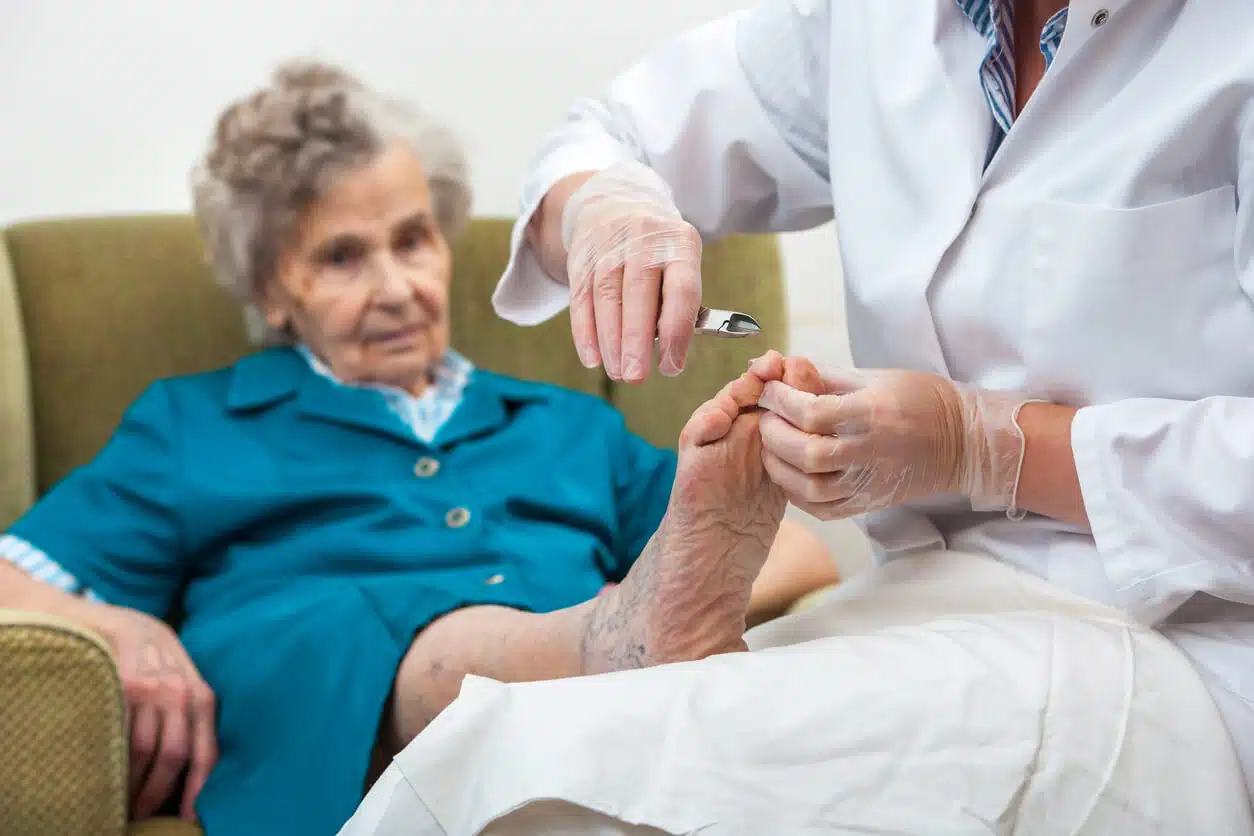
Staying mobile is one of the greatest gifts seniors can give themselves during the golden years, yet foot problems often creep in just when recreation time finally opens up. Within any vibrant senior living community, hammertoes rank high on the list of complaints because the condition bends toes downward, rubs skin raw inside shoes, and forces activity levels to drop. Thankfully, understanding the issue early and acting decisively can help seniors keep every step pain-free.

Understanding Hammertoes and Why Seniors Are at Risk

Hammertoes develop when the muscles and ligaments that keep toes straight weaken, allowing the middle toe joints to curl downward. Age-related changes in foot structure, years of wearing tight or high-arched footwear, and common conditions such as arthritis or diabetes combine to place seniors at greater risk than younger adults.

Once toes bend, friction against shoe tops promotes painful corns and calluses, while inflammation around the joint reduces flexibility. If neglected, the deformity can become rigid, making it nearly impossible for seniors to slip on comfortable footwear or enjoy daily walks that keep hearts and minds healthy.

Early Warning Signs Seniors Shouldn’t Ignore

Recognizing subtle changes before toes lock into place is the smartest defense. Seniors may first notice mild soreness or redness on the tops of second, third, or fourth toes after routine errands. Shoes that once felt roomy may suddenly pinch by day’s end, and socks might catch on rough skin patches forming over bony joints.

A toe that appears slightly raised compared with its neighbors or one that won’t fully straighten on its own signals that tendons have already tightened. When these hints appear, prompt attention from a podiatrist can spare seniors months of escalating discomfort.

Practical Steps for Seniors to Stay Active

Several low-tech strategies can ease strain on tender toes and keep seniors moving. Roomy, supportive shoes featuring wide toe boxes allow natural toe spread and reduce pressure; models with adjustable straps accommodate mild swelling common in later life. Regular foot-strengthening exercises—such as gently stretching toes by hand or picking up marbles with the feet—maintain muscle balance and joint alignment.

Orthotic inserts or silicone toe spacers add cushioning, preventing corns from forming. Seniors who rotate between walking, swimming, and stationary biking also lower repetitive stress on their feet, enjoying full-body fitness without aggravating emerging hammertoes.

Treatment Options That Keep Seniors on Their Feet

When conservative measures fail to relieve pain, several effective medical interventions remain. A podiatrist may recommend custom orthotics that redistribute weight away from curled joints or prescribe anti-inflammatory medication to calm swelling. Corticosteroid injections offer targeted relief for seniors unable to tolerate oral drugs.

For more advanced cases, minimally invasive procedures can release tight tendons or realign bones, often completed under local anesthesia with brief recovery times. Post-surgical physical therapy emphasizes gentle stretches and proper footwear, enabling seniors to return swiftly to gardening, visiting grandchildren, and enjoying the social activities that make retirement fulfilling.

Conclusion

Hammertoes need not dictate the tempo of retirement. By spotting early signs, adopting foot-friendly habits, and seeking timely medical care, seniors preserve the freedom to stroll markets, dance at family gatherings, and explore new hobbies without hesitation. A proactive mindset today ensures that tomorrow’s steps remain confident, comfortable, and entirely under the control of resilient seniors who refuse to let a bent toe curtail life’s adventures.

Filed Under: Health

Getting Back on Your Feet: Real-World Recovery Tips for Seniors After Surgery

October 17, 2025

So, you’ve had surgery. Maybe it was planned. Maybe it wasn’t. Either way, you’re home now—or in rehab—and wondering, okay… now what?

Recovery isn’t always linear, especially for older adults. Your body takes a little longer to bounce back. That’s not failure. That’s just biology. But there are things you can do—simple, smart moves—that can really make a difference in how smooth (or bumpy) the road ahead feels.

Let’s walk through some tips that actually help, not just the stuff doctors rattle off in two-minute discharge talks.

1. Don’t Try to Tough It Out (Seriously, Don’t)

We get it. You want to get back to your routine, maybe prove to yourself (or your kids) that you’re okay. But pushing too hard too soon is one of the quickest ways to delay healing—or worse, end up right back in the hospital.

It’s okay to ask for help. If your neighbor offers to grab groceries, say yes. If your daughter wants to help with the laundry, let her. This isn’t weakness—it’s wisdom.

2. Move… a Little Bit at a Time

Staying in bed all day might feel like healing, but your body needs movement. Not a marathon. Not a power walk. Just gentle, regular movement. Walk to the mailbox. Stand and stretch. Even shifting positions every hour or so helps with circulation and prevents stiffness.

Your doctor might’ve given you basic physical therapy moves—do those. And if they didn’t? Ask. It’s your recovery, after all.

3. Watch the Meds and the Meals

Pain meds can mess with your stomach, make you feel foggy, or even cause constipation. No fun. Keep a simple log—what you’re taking, when, and how it makes you feel. That way, if something feels off, you’re not guessing.

Also: eat. Even if it’s toast and scrambled eggs. Your body needs fuel to heal, and protein is your friend. Hydration, too—water is non-negotiable here.

4. Sleep Is Medicine

Everyone says “rest,” but it’s not just a nice idea—it’s a literal part of healing. Sleep is when your body rebuilds tissue and fights inflammation. So make your room comfortable. Limit screen time before bed. Don’t feel guilty about naps.

If you’re not sleeping well, tell someone. Sometimes the solution is as easy as adjusting meds or changing your pillow.

5. Know When to Call for Help

If something feels off—like really off—don’t wait. Call your doctor. Don’t let the fear of “bothering” someone keep you silent. This is your health we’re talking about..

6. Consider Where You’re Healing

Not everyone can recover comfortably at home. And that’s okay. If you or your loved one needs more support—like help with daily stuff, medical care, or just a safer environment—it might be time to look into an assisted living community. They’re not what they used to be. Many are warm, social, and designed with recovery in mind.

Bottom Line? Go Easy on Yourself

Healing isn’t about bouncing back overnight. It’s about small wins. Standing up without help. Taking a shower solo. Laughing again. Every little thing counts.

Give yourself grace. Let others in. And remember—you’re not alone in this.


Filed Under: Health

What People Are Saying About Physicians Premier ER: Real Stories, Real Care

July 17, 2025

Are you wondering if Physicians Premier ER is a good place to go? The short answer—yes! People love their fast care, kind staff, and clean space. Let’s look at what people are saying about Physicians Premier ER and what makes this emergency room so different, with stories and facts to back it up.

Why Do People Choose Physicians Premier ER?

People go to Physicians Premier ER because they want fast, caring help. Many have shared their stories online and say the same things:

  • Friendly doctors and nurses
  • Short wait times
  • Super clean and comfy rooms
  • Help any time—day or night

In fact, over 90% of reviews mention fast service. Lots of people say they were in and out in under an hour. That’s really fast for emergency care! One happy patient even said, “I was seen, treated, and back home before I could finish my cup of coffee!”

A recent study shows that traditional ERs can have wait times of over 3 hours. That’s a long time when you’re hurt or sick. But people say Physicians Premier ER doesn’t make them wait.

Staff That Treat You Like Family

What do people love the most? The staff. Over and over, reviewers mention how kind, patient, and caring the team is.

For example, a mom whose son had a broken arm wrote, “The nurses were like angels. They kept him calm the whole time.” Another person who came in with chest pain said, “They listened to me, took me seriously, and explained everything clearly.”

Doctors at Physicians Premier ER are trained for emergencies. But they don’t just treat you like a number. Patients say they treat everyone with respect and care.

Quick and Easy Care—Any Time

Emergencies can happen at midnight or on a holiday. That’s why people love that Physicians Premier ER is open 24/7. A family who came in on Thanksgiving said, “They were open, ready, and happy to help us. We were so thankful!”

The ER has all the same tools as a hospital ER, like:

  • CT scans
  • X-rays
  • Lab tests
  • IV treatments

But the big difference? No long lines or crowded waiting rooms. People often say how calm and peaceful the space feels—even during scary times.

Clean, Private, and Comfortable

Getting help in a clean place matters a lot. People don’t want to worry about getting sicker when they go to the emergency room. That’s why many reviews praise how clean the space is.

Rooms look more like hotel spaces than hospital rooms. One patient said, “I thought I was in a spa, not an ER!” Many mention soft blankets, quiet rooms, and big-screen TVs.

Parents especially love this. One mom said, “The room had cartoons for my child and snacks for me!”

Real Stories That Matter

Here are some real-life cases people shared in reviews:

Case 1: Allergic Reaction

A young woman had an allergic reaction after eating at a restaurant. She ran into Physicians Premier ER, worried and scared. She said, “They treated me right away. A doctor came in within 2 minutes. I didn’t feel alone.”

Case 2: A Scary Fall

An older man fell at home and hit his head. His wife brought him in. He said, “They helped me walk in, calmed my wife, and checked me fast.” The tests showed he was okay—and they were both home in an hour.

Case 3: A Sick Child at Midnight

One mom brought in her toddler who had a high fever. It was 1:00 a.m. She said, “The doctor made my baby smile. He explained everything and gave medicine that worked fast.”

These stories show how people feel cared for—not just treated.

How Does It Compare to a Regular Hospital ER?

You might be thinking—what’s the difference? Don’t both treat emergencies?

Yes, but here’s the difference:

Feature Regular Hospital ER Physicians Premier ER
Wait Time 2-4 hours or more Often under 1 hour
Staff Friendliness Mixed reviews Very high ratings
Cleanliness Varies Excellent reviews
Comfort Basic Hotel-like setting
Child-Friendly Not always Kids love it
Billing and Paperwork Complex Simple explanations

Also, Physicians Premier ER is not packed like a normal ER. That means patients often get one-on-one time with the doctor. You won’t feel rushed.

What Services Do They Offer?

People say they’re surprised at all the things this ER can do. Some of the services include:

  • Injury care for cuts, burns, sprains, or broken bones
  • Heart tests for chest pain
  • Help for infections or allergic reactions
  • Stitches and wound care
  • Help for breathing trouble
  • Testing for flu, COVID-19, and more

So, it’s not just for big emergencies. Even small things can be serious, and people say it’s nice to get care fast.

What About Costs?

Many people ask about cost. Physicians Premier ER works with most major insurance plans. Reviewers often say that the front desk team explains everything clearly.

One person shared, “I expected a huge bill, but they told me what to expect and it matched my insurance.” Another said, “They even helped me file the claim.”

Emergency care isn’t always cheap, but reviews say the value is good—especially for the level of care.

Why Word of Mouth Is So Strong

Why do people keep coming back—and bring their families too? Simple: they feel safe.

Over 1,000 online reviews across Google and Yelp give 4.9 stars out of 5. That’s a very high rating! People talk about:

  • “Best ER experience ever”
  • “I would give 10 stars if I could”
  • “I’ll never go anywhere else again”

This kind of praise doesn’t happen by accident. It means the care is top-level every single time.

Final Thoughts: Should You Choose Physicians Premier ER?

Yes—if you want fast, clean, friendly care. People love how easy it is. And they say it makes scary times a lot better.

What You Can Do Next:

  1. Look up your closest location of Physicians Premier ER
  2. Save the phone number in your phone
  3. Share this info with friends and family—you might help someone!

Remember: No one plans for an emergency. But when one happens, it’s nice to know where to go.

Now you know what people are saying. And the message is clear: Physicians Premier ER is the place to be when you need help fast and with care.

Filed Under: Health

3 Tips for Avoiding Back Pain

November 18, 2024

While back pain is something that not necessarily everyone has to deal with, it’s incredibly common and can be not only uncomfortable but bring your entire life to a halt. While some back pain results from prior injuries, other people’s back pain is a result of a medical condition. The good news is that whatever the cause of your back pain, you can usually reverse the damage or at least improve it by maintaining healthy habits and paying attention to your posture.

If you’re currently suffering from back pain, or you simply want to know how to avoid it in the future, here are some tips for you to know

Practice Proper Lifting

Perhaps one of the biggest causes of back injuries is failing to practice proper lifting techniques. Sometimes not everything is meant to be lifted by you since you can put serious strain on your back. Consider hiring unloading services if whatever you have to lift is beyond your capability.

However, if you do decide to lift, make sure that you keep your feet flat on the floor and your knees at the correct ankle. Always support your lower back by balancing the weight on your knees. Otherwise, if you lift with your back you can suffer a serious injury, which could even cause damage for years to come.

Sit Up Straight

If you sit for long periods of time, whether it’s your job, or relaxing at home, it’s important that you practice proper posture, keep your feet flat on the floor, and keep your shoulders back. Avoid crossing your legs if you can, as this can throw your spine out of alignment eventually.

Try to stand up and stretch periodically, and if you can walk around a few times throughout the day. This is especially important if you have an extremely sedentary job.

You should consider investing in ergonomic furniture to encourage the best possible posture while working. While you’re at it, consider adjusting your computer monitor so that it’s at eye level to avoid straining your neck. This won’t just help ease any current pain that you have but prevent any further pain from developing period

Stay Active

Perhaps one of the most important aspects of keeping a healthy spine is staying as active as possible. Regular physical activity can help keep your spine healthy and also reduce tension in your muscles. When you stay active you increase the blood flow to your back and also keep your muscles strong which will reduce the risk of suffering and injury. Whether you decide to go for a walk, take a swim in the pool, or simply do yoga in your living room, whatever you can do to be more active can be incredibly beneficial for the health of your spine.

Filed Under: Health

What Happens When a Child Suffers a Catastrophic Injury?

October 14, 2024

Catastrophic injuries can dramatically change a person’s life, especially if they are a child. These painful injuries may occur due to accidents, negligence, or unsafe environments. As a parent or guardian, it can be emotionally challenging to watch your loved one suffer. On top of that, you are burdened with the task of managing long-term medical and care needs for them.

In New York, minor children cannot pursue a personal injury lawsuit on their own. So, the primary responsibility for filing a claim is the parents or guardians. This also includes gathering evidence, contacting the insurance company, reporting the accident to the police, hiring an attorney, etc. They must consider the child’s best interests before every step.

When it comes to reporting catastrophic injuries, it is important to act quickly. In New York, the statute of limitations for filing a personal injury claim is generally three years. However, for minors, they have until their 21st birthday to initiate legal action. It is best to work with a personal injury lawyer to avoid losing your rights by missing a deadline.

What are the common catastrophic injuries in children in NYC?

Traumatic Brain Injuries (TBI).

A sudden bump or blow to the head can result in a traumatic brain injury. In children, a TBI can range from minor concussions to severe head injuries, which can result in cognitive impairment and behavioral changes. This can affect their overall growth and development.

Children suffering from TBIs may experience difficulty in reading, learning, and processing. This can affect their academic performance and restrict social interactions.

Spinal cord injuries.

Spinal cord injuries can lead to various problems in children, from sensory loss to complete paralysis, depending on the severity of the injury. Such injuries often result from motor vehicle accidents, falls, or sports-related injuries.

A spinal cord injury can affect your child’s mobility and independence. Your child might need to undergo rehabilitation or physical therapy to recover from the injury completely and restore the quality of life.

Severe burn injuries.

Burn injuries can have a significant physical and emotional impact on a child’s life. Such injuries can result in severe complications, including infection, scars, and long-term cosmetic damage. This can lead to lower self-esteem and confidence in children, and they may experience adjustment problems.

Timely treatment is crucial to stop the problem from getting worse. In severe burn injury cases, children may also be required to undergo multiple surgeries and rehabilitation to heal completely.

Limb loss and amputation.

Many children lose their limbs due to traumatic injuries, infections, or congenital conditions. Children often have a difficult time adjusting to living with a single limb. It can be physically and psychologically challenging and requires an extensive approach to care, including surgeries and prosthetics.

Prosthetics come up as a life savior for children who have lost their limbs and help them to adapt and regain mobility.

Birth injuries.

Birth injuries are caused during labor and delivery, and the majority of them are caused due to medical negligence. Hypoxia is a serious condition where the child’s body does not get enough oxygen.

This can lead to cerebral palsy, affecting their sensory and motor functions and degrading their quality of life. Children with such injuries may require medical care and support throughout their lives.

The importance of immediate medical attention

Immediate medical attention and treatment are important to prevent the long-term effects of catastrophic injuries in children. Addressing these issues early can increase survival rates and improve the quality of life.

Since children have unique physiological and psychological characteristics, specialized pediatric trauma care is necessary to address the concerning issues.

Based on the severity of the injuries, children may require different surgeries and medical interventions, including fracture management, neurological interventions, and so on. Each treatment aims to restore function and mobility, reduce pain, and enhance overall recovery.

Take action today!

If your child has been involved in an accident and suffered severe injuries, talk to a personal injury attorney in New York to protect your child’s best interests.

Filed Under: Health

What Is Atrial Fibrillation and How Does It Affect Seniors?

September 10, 2024

AFib, short for atrial fibrillation, is a heart issue that’s common in older people. It messes with the regular rhythm of the heart. In AFib cases, the top parts of your ticker, called atria, don’t beat right or sync up with lower chambers. This leads to fast and irregular beats.

This problem pops up more often as people age, so it’s something senior living communities keep an eye on since their residents are at higher risk for heart problems like this one. Getting to know what AFib does and how it affects seniors helps manage its effects better, which can make life much nicer!

Understanding Atrial Fibrillation

Atrial fibrillation, or AFib for short, happens when the heart’s electrical signals go haywire. These mixed-up signals cause fast and irregular impulses that make the atria, which are your top two heart chambers, quiver instead of contract as they should.

There can be a bunch of reasons why someone gets AFib, including high blood pressure, problems with their heart valves, or even past surgeries on their hearts. For older people especially, though, it becomes more likely as time goes by because our bodies’ wiring starts to wear out over time.

Other health issues like diabetes, sleep apnea, and thyroid disorders also increase the chances of getting hit with this condition, so knowing these risk factors is key in catching it early, which makes managing its effects easier!

Symptoms and Diagnosis of Atrial Fibrillation in Seniors

AFib symptoms can be different for everyone. Some common ones are heart palpitations, dizziness, winding easily, and tiredness. Older people might feel their hearts fluttering or thumping in their chests. Some may even faint or have chest pain.

Sometimes, AFib doesn’t show any signs at all, which is risky if it’s not treated right away. To determine if someone has this condition, doctors usually use an electrocardiogram (ECG) to check the electrical activity of the heart over time.

They could also use Holter monitors or event recorders that keep track of your heartbeat longer term so they don’t miss anything important! It’s very crucial to catch AFib early, especially since older people sometimes have these symptoms that just come with age.

Impact of Atrial Fibrillation on Senior Health

AFib can really mess with seniors’ health. It increases the chances of having a stroke, heart failure, and other serious heart problems, including AFib, making blood hang out in the atria, where it might form clots that could travel to your brain, causing a stroke.

Older people who have this condition are at an even higher risk for strokes, so they often need treatments like anticoagulant therapy to prevent them from happening. On top of all that, their hearts may not pump blood as well because of irregular rhythms, which could lead to heart failure down the line.

Plus, dealing with constant tiredness or being unable to exercise without getting winded takes its toll on quality of life, too! That’s why taking care of these patients needs lots of attention to detail.

Managing Atrial Fibrillation in Seniors

Dealing with AFib in older people usually means a mix of changing daily habits, taking meds, and sometimes even medical procedures. Docs often prescribe things like beta-blockers, calcium channel blockers, or anticoagulants to help control heart rate rhythm and lower the chances of strokes.

For some seniors, they might need treatments like cardioversion or catheter ablation, which can get their hearts back on track. On top of that, it’s very important to eat right, stay active, avoid too much caffeine, and manage stress levels.

All these lifestyle changes can really make a difference when dealing with symptoms of this condition! Senior living communities are great places where people put these strategies into action because everyone there is focused on promoting better health outcomes.

Conclusion

AFib is a big deal, especially for older people. But it’s something that can be handled with the right knowledge and care! Knowing what signs to look out for, how this condition affects people, and ways to manage it are all key to making life better and preventing serious problems like strokes or heart failure.

With good medical attention and some changes in daily habits, seniors can keep AFib under control and live active.

Filed Under: Health

  • « Go to Previous Page
  • Page 1
  • Page 2
  • Page 3
  • Page 4
  • Interim pages omitted …
  • Page 16
  • Go to Next Page »

Primary Sidebar

About

I started Vanilla Mist as a hobby and to be completely honest with you, I really had no idea what I was doing at the time. I just wanted to share my creations with others and inspire people.

Recent Post

  • Why More Families Are Seeking Dentists Who Offer Cosmetic Enhancements
  • 5 Benefits Of Building A Long-Term Relationship With A General Dentist
  • 6 Benefits Of Choosing One Dental Home For The Whole Family
  • 5 Ways General And Cosmetic Dentistry Improve Quality Of Life Together
  • Why Consistency With A General Dentist Improves Patient Comfort
  • Why Preventive Dentistry Protects Smiles From Childhood To Senior Years
  • How Family And Cosmetic Dentistry Support Confidence At Every Age
  • 6 Cosmetic Dentistry Solutions That Transform Everyday Smiles
  • 5 Reasons Clear Aligners Are Popular For Both Function And Aesthetics
  • 4 Common Restorative Options Available In General Dentistry
  • How Family Dentistry Brings Comfort Through Familiar Environments
  • 5 Ways Oral Surgeons Help Patients Overcome Dental Anxiety
  • 10 Questions To Ask An Estate Planning Lawyer Before You Start
  • Thinking About a Vacation Rental on Your Property? Here’s How to Start Off Right
  • What to Know Before Traveling for Surgery: Real Talk and Tips
  • What Are the Best Camping Experiences in Dubai?
  • Common Laundry Mistakes (And How to Avoid Them)
  • How to Keep Your Infant’s Gums Healthy Before Teething
  • Designing a Family Bathroom That Actually Works (and Doesn’t Drive You Crazy)
  • Don’t Let Hammertoes Slow You Down in Retirement
  • Hybrid Gaming: When eSports Meets Casino Betting
  • Getting Back on Your Feet: Real-World Recovery Tips for Seniors After Surgery
  • Prescription Pill Dependency: How It Starts Innocently
  • Codependency Isn’t Love: Learning to Set Boundaries Without Guilt
  • How Orlando’s Central Location Makes It a Hotspot for Catastrophic Traffic Accidents
  • Embracing New Looks for Your Post-Retirement Life
  • What People Are Saying About Physicians Premier ER: Real Stories, Real Care
  • 10 Best Mobile Casino Games for Online Gamers in 2025
  • 3 Tips For Staying In Communication With Your Elderly Loved Ones
  • How Online Gaming Helps Us Relax

Connect With Us

  • Facebook
  • Instagram
  • Pinterest
  • RSS
  • Twitter

Footer

About

I started Vanilla Mist as a hobby and to be completely honest with you, I really had no idea what I was doing at the time. I just wanted to share my creations with others and inspire people.

Latest Post

  • Why More Families Are Seeking Dentists Who Offer Cosmetic Enhancements
  • 5 Benefits Of Building A Long-Term Relationship With A General Dentist
  • 6 Benefits Of Choosing One Dental Home For The Whole Family
  • 5 Ways General And Cosmetic Dentistry Improve Quality Of Life Together
  • Why Consistency With A General Dentist Improves Patient Comfort

Connect With us

  • Facebook
  • Instagram
  • Pinterest
  • RSS
  • Twitter

Copyright© 2026 · Brunch Pro Theme by Feast Design Co.