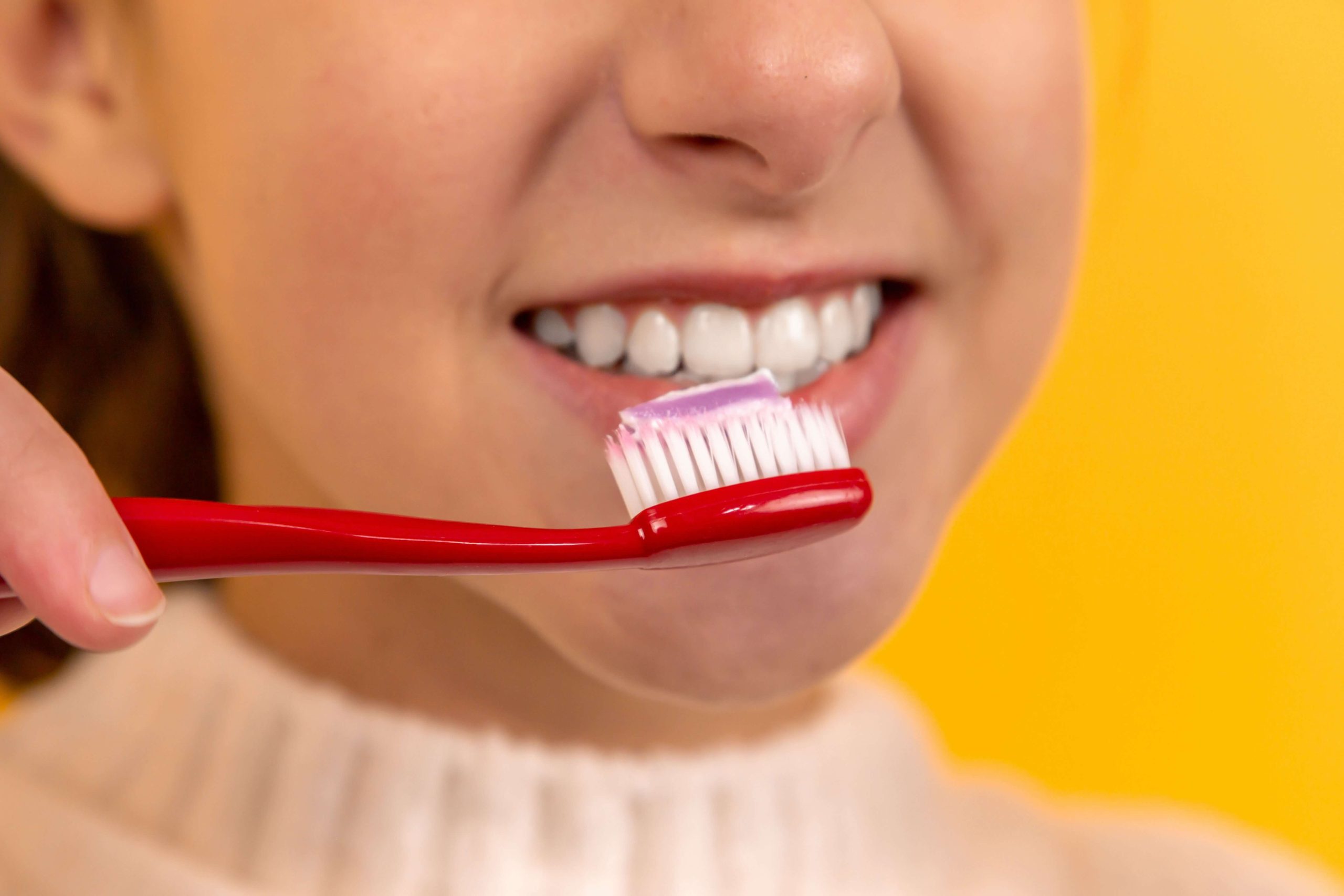
You want your child to brush and floss. You also want fewer battles in the bathroom. That mix can feel heavy at the end of a long day. Good news. You can turn daily dental care into simple moments of play and pride. This blog shares 5 parent tested strategies for making dental hygiene fun. Each one is quick to start, low cost, and easy to repeat. You will see how small changes in routine can help your child feel strong, not scared. You will also see how to spot early warning signs that brushing time is slipping. Local stories from a dentist in Sugar Land, Texas show how these steps work for real families. By the end, you will have clear tools to use tonight. You will protect your child’s smile. You will also protect your own peace of mind.
1. Turn Toothbrushing Into A Short Game
Children learn through play. You can use that simple truth in the bathroom.
Try these steps.
- Use a two minute song as a timer.
- Let your child pick a “toothbrushing song” each week.
- Make simple rules. For example, brush top teeth for the first verse and bottom teeth for the next verse.
Next, create a game story that fits your child.
- Germs become “sugar bugs”.
- The toothbrush becomes a “super scrub brush”.
- The sink becomes “mission control”.
Children often respond when you keep the game short and clear. You do not need fancy supplies. You only need a song, a story, and your steady voice.
2. Give Choices That Still Protect Teeth
Power struggles drain you. Thoughtful choices help you avoid them.
Offer choices that keep your goal in place.
- “Do you want the blue toothbrush or the green toothbrush?”.=
- “Do you want to brush in the bathroom or by the kitchen sink?”
- “Do you want mint paste or bubblegum paste?”
You stay firm on what matters. You do not move on when brushing and flossing happen. You only bend on how they happen.
Research from the Centers for Disease Control and Prevention shows that early daily care cuts the risk of cavities in children. Your calm structure today protects your child from pain later.
3. Use A Simple Reward Chart, Not Bribes
Rewards can support habits. Bribes can feed drama. The line is thin. Your plan keeps it clear.
Use a chart that tracks effort, not perfection.
- Give one sticker for brushing in the morning.
- Give one sticker for brushing at night.
- Give a small star for flossing help.
Then set small rewards.
- 5 stickers. Choose a bedtime story.
- 10 stickers. Pick a song for family dance time.
- 20 stickers. Choose a new toothbrush or floss pick style.
Keep rewards simple and not food-based. You want your child to see dental care as normal, not as a task that always needs a big prize.
4. Brush Together And Model What You Expect
Children copy what they see. Your teeth can become a quiet teaching tool.
Stand side by side and brush at the same time.
- Show how much toothpaste to use.
- Show slow circles on each tooth.
- Show gentle brushing on the gums and tongue.
The American Dental Association explains that two minutes of brushing twice a day with fluoride paste helps prevent tooth decay.
When you brush with your child, you send three strong messages.
- You take your own health seriously.
- You are not asking anything unfair.
- You are willing to share the same routine.
This simple shared act can calm fear and reduce stalling.
5. Use Stories To Prepare For Dental Visits
Home care and office care work together. Many children fear what they do not know. You can lower that fear with stories and clear steps.
Before a visit, walk through what will happen.
- The staff will count teeth.
- The staff will clean away sticky plaque.
- The staff might use pictures called X-rays.
Use plain words. Avoid words like “hurt” or “shot”. Use words like “clean”, “check”, and “pictures”. Invite your child to ask questions. Answer them in short, honest lines.
You can also play “dentist” at home.
- Let your child pretend to check your teeth with a clean spoon.
- Trade roles and count their teeth.
- Praise calm breathing and still lips.
These small games reduce shock when your child meets the real chair and light.
Quick Comparison Of Common Strategies
| Strategy | Main Goal | Best For | Possible Challenge |
|---|---|---|---|
| Toothbrushing Game | Make brushing feel fun | Young children | Child may want longer play |
| Choice Giving | Cut power struggles | Toddlers and early grade school | Adult must hold firm limits |
| Reward Chart | Build steady habits | Children who like stickers | Risk of “What do I get” talk |
| Brushing Together | Show correct brushing | All ages | Adult time and energy at night |
| Dentist Role Play | Ease visit fears | Children who fear new places | Needs calm tone from adult |
Warning Signs Brushing Time Is Slipping
Watch for these signs during the week.
- Child often “forgets” to brush or floss.
- Child complains about sore gums or tooth pain.
- You see bleeding when your child spits.
- Child rushes and finishes in a few seconds.
If you see these signs, return to the basics.
- Brush together for a few nights.
- Shorten the routine but keep the two-minute brushing rule.
- Check in with your dental office if pain or bleeding returns.
Bringing It All Together Tonight
You do not need a perfect system. You only need a clear plan that you can keep.
Start with three steps tonight.
- Pick one song for a two-minute brushing game.
- Offer one simple choice about brush or paste.
- Brush your own teeth at the same time.
Tomorrow, add a sticker chart or a short “dentist” game. Next week, talk with your child’s dental office about what you see at home. Your steady effort can turn a hard nightly chore into a short shared habit that protects your child’s health and your own calm.