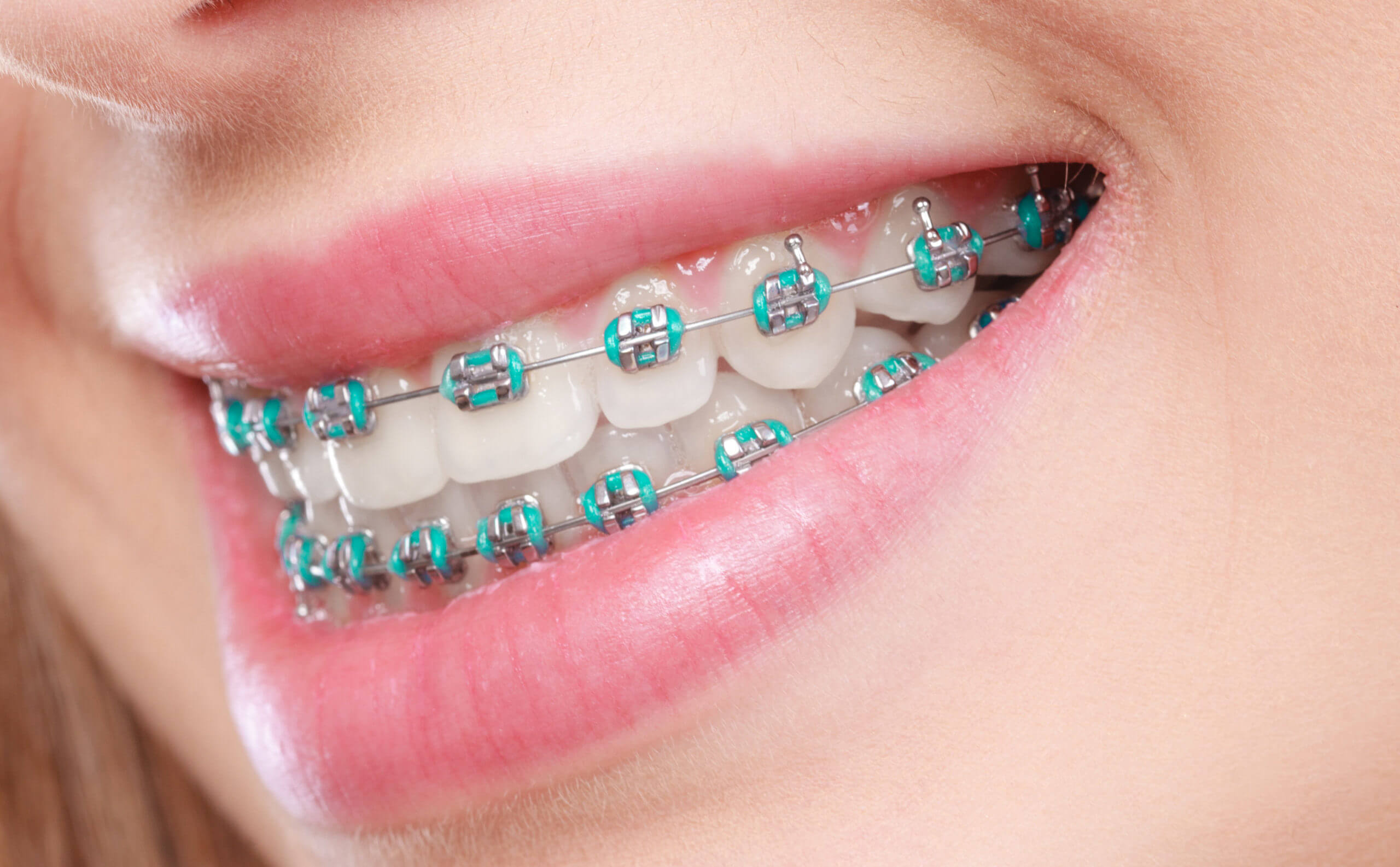
You might be feeling torn right now. You want a brighter, more confident smile, yet something keeps nagging at you. Maybe you worry that your teeth are not “good enough” for cosmetic work. Maybe a dentist has mentioned cavities, gum issues, or bite problems when all you wanted was whiter, straighter teeth. Springfield cosmetic dentistry can help bridge that gap between your current dental needs and the smile you envision. It can feel frustrating when your dream smile gets put on hold for “other dental work.”end
That tension is completely normal. You want results you can see in the mirror, and general dentistry can sound like a detour. In reality, it is the foundation. Without healthy teeth and gums, even the best cosmetic dentistry will not last, and you can end up spending more money and time fixing things that could have been prevented.
So where does that leave you? In a better place than you might think. General dentistry quietly does the heavy lifting. It treats decay, calms infections, adjusts your bite, and creates a stable base so cosmetic treatments can look beautiful and stay that way. In simple terms, strong foundations lead to successful cosmetic outcomes.
This is the heart of what you need to know. General dental care gets your mouth healthy and stable. Once that is in place, cosmetic work such as veneers, bonding, and whitening can be safer, more predictable, and longer lasting. You are not being delayed. You are being prepared.
Why healthy teeth must come before cosmetic work
Imagine repainting a house while the wood underneath is rotting. For a while, it looks fresh, but the problems underneath keep growing. Teeth are no different. If you place veneers on teeth with large untreated cavities, or whiten teeth with active gum disease, the cosmetic result may look fine at first, yet the underlying damage continues.
This is where general dentistry for cosmetic success steps in. A family and cosmetic dentist does not just look at color and shape. They look for decay, cracks, worn enamel, gum inflammation, and bite issues. Because of this, you might hear things that feel discouraging at first. You might be told you need fillings before whitening, a deep cleaning before veneers, or even a root canal before a crown. It can sound like a list of obstacles. In truth, it is your roadmap to a smile that will actually last.
There is also an emotional side to this. You may have avoided the dentist for a while. You might feel embarrassed about old fillings, missing teeth, or bleeding gums. When you finally gather the courage to ask about cosmetic dentistry, it can sting to hear about problems that must be fixed first. That sting is real. It does not mean you failed. It just means your teeth are telling their story, and your dentist is listening carefully before rewriting the next chapter.
If you are curious what thoughtful general care looks like, university clinics such as the OHSU general dentistry clinic show how methodical, step by step treatment protects both health and appearance. They start with prevention and repair, then move toward cosmetic improvements when the mouth is ready.
What problems can ruin cosmetic results if they are ignored?
Because you want your cosmetic work to last, it helps to understand what can quietly undermine it. Here are a few common examples.
Imagine you have small cavities between your front teeth and you go straight to whitening. The whitening solution seeps into the softened areas, causing sensitivity and sometimes uneven color. Those cavities still need to be treated, and now you also have discomfort.
Or picture veneers placed on teeth with active gum disease. The gums are already inflamed and prone to bleeding. Over time they may recede. The edge of each veneer starts to show, food traps develop, and what once looked smooth and natural now shows visible margins. The cosmetic work did not fail on its own. The gum disease undercut it.
There is also the matter of your bite. If your upper and lower teeth do not meet in a stable way, cosmetic bonding or veneers on front teeth can chip or fracture because they are taking the force that should be spread across the entire bite. A good family and cosmetic dentist will check your bite and sometimes recommend small adjustments before placing anything cosmetic.
Because of these risks, thoughtful dentists see general care and cosmetic care as one system. Healthy enamel, calm gums, and a stable bite come first. Then treatments such as whitening, veneers, bonding, or clear aligners can do their job without fighting against hidden problems.
How does general dentistry “set the stage” for a better smile?
So what does preparation actually involve? It is usually a series of clear, practical steps.
First, your dentist will look for decay and old failing fillings. Treating these with modern tooth colored fillings or crowns not only stops pain and infection. It also creates a smooth, strong surface that cosmetic work can bond to. Think of it as repairing the wall before hanging art.
Next, attention turns to your gums. Professional cleanings, and sometimes deep cleanings, remove hardened tartar that brushing cannot reach. This reduces bleeding and swelling. Healthy gums frame your teeth. They make whitening look more even and veneers or bonding appear more natural, rather than forced.
Then comes alignment and bite. Mild crowding or spacing can often be improved with clear aligners. This makes cosmetic treatments more conservative because less tooth structure needs to be removed. A balanced bite also protects any new cosmetic work from chipping and cracking.
Only after these pieces are in place does your dentist look at the full menu of cosmetic options. Academic centers like the UCSF cosmetic dentistry clinic follow this same pattern. Stabilize health first, then refine appearance.
General dentistry vs “cosmetic only” shortcuts
You might be wondering how much this preparation really matters. Is it just being cautious, or does it change outcomes in a meaningful way? A simple comparison can help you see the tradeoffs.
| Approach | Short term experience | Long term outcome | Typical risks |
|---|---|---|---|
| Cosmetic work on unhealthy teeth | Faster visible change, fewer initial appointments | Higher chance of sensitivity, chipping, or needing early replacement | Hidden decay spreading, gum recession around work, repeated repairs |
| General dentistry before cosmetic treatment | More planning, a few extra visits before you see the “wow” result | Stronger, more stable cosmetic results that age more gracefully | Lower risk of emergency problems and less rework over time |
Seeing it this way, you can appreciate why preparing teeth for cosmetic dentistry is not an optional add on. It is what protects your investment, your comfort, and your peace of mind.
Three practical steps you can take right now
You do not have to fix everything at once. You only need a starting point. Here are three steps that can move you toward the smile you want, without guesswork.
1. Schedule a “health first” evaluation, not just a cosmetic consult
When you call a family and cosmetic dentist, tell them you are interested in cosmetic improvements but want a full health evaluation first. This small sentence changes the conversation. It signals that you understand the value of general care and expect a plan that protects you long term.
Ask specifically for an exam that includes cavity screening, gum measurements, and a bite assessment. If a practice rushes past these or focuses only on veneers or whitening, that is a sign to keep looking.
2. Ask for a phased treatment plan with priorities
Cosmetic and general treatment can feel overwhelming when it is presented as one long list. Ask your dentist to break it into phases. For example, Phase 1 might be urgent issues like pain, infections, or large cavities. Phase 2 might be gum care and bite adjustments. Phase 3 could be whitening or veneers.
A phased plan lets you spread costs over time and see how each step prepares you for the next one. It also keeps you from feeling like you must choose between health and appearance. You are doing both, in a thoughtful order.
3. Protect your future results with daily home habits
The quiet truth is that the success of any cosmetic dental treatment rests heavily on what you do at home. Brushing twice a day with fluoride toothpaste, flossing once a day, and using any recommended rinses protect the work you have invested in.
If you grind or clench your teeth, talk to your dentist about a night guard before or soon after cosmetic work. Grinding can slowly chip bonding, crack veneers, and wear down enamel. A simple guard can dramatically extend the life of your new smile.
Moving toward a smile that is both healthy and beautiful
You may still feel a mix of hope and hesitation. You want change, yet you do not want to waste time, money, or emotional energy on quick fixes that do not last. That hesitation is wise. It is pushing you to look beyond surface level solutions and toward care that respects both your health and your confidence.
General dentistry is not the opposite of cosmetic dentistry. It is the partner that makes cosmetic results safer, stronger, and more satisfying. When your teeth and gums are stable, cosmetic work can be more conservative, more natural looking, and less likely to fail.
You deserve more than a fast makeover. You deserve a smile that feels good, works well, and still looks like you years from now. Starting with a careful, health focused visit to a family and cosmetic dentist is a powerful first step toward that kind of outcome.